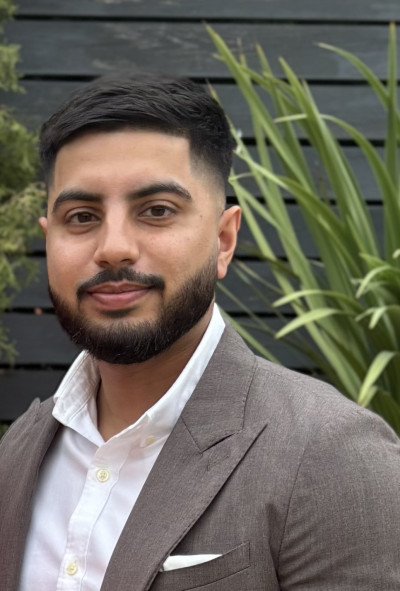
Manpreet Atwal
Skills
Scientific expertise: Neuroscience, neurological diseases, neurodegeneration, dementia, translational research, biochemical assays, electrophysiology, microscopy, imaging, molecular and cellular biology, model systems, Drosophila, human stem cells, cell culture.
Communications and editorial: Scientific writing and editing (publications, reports, slide decks), learning materials, presentations, conferences, technical training, public-outreach events, stakeholder engagement, literature searches, reference management, fact-checking.
I.T. skills: Asana, Microsoft Office, RStudio, Prism, ImageJ, OriginPro, Harmony, BioRender, Adobe Illustrator, EndNote, shared cloud-based systems (SharePoint, Google Drive, Dropbox).
About
I am a PhD-trained neuroscientist with a strong track record in the delivery of high standard deliverables and have extensive expertise in both verbal and written communication, cross-team collaboration and project management. I am keen to apply my relevant skills, knowledge, and experience to ensure efficient and high-quality delivery of medical communication projects through effective coordination, collaboration and management.
Through my academic-related positions as a PhD candidate at the University of Sheffield and Research Associate at King’s College London, I have built up significant experience within neuroscience and cutting-edge scientific methods. During this time, I would simultaneously work on collaborative projects with cross-functional teams alongside independent projects that I was leading. My PhD focused on electrophysiological dysfunction in neurological diseases which required the independent design, execution, and delivery of a complex multi-year research project. As a Research Associate, I led a collaborative project with internal and external collaborators from inception through to completion. In these positions, I managed project-related budgets through procurement of laboratory consumables and conference attendance expenditure, successfully securing and administering competitive travel grants. Also, I supervised both MSc and BSc project students, providing structured guidance, feedback, and support to ensure the successful delivery of their research projects. These positions required me to coordinate project timelines and track progress against milestones to ensure the timely delivery of high-quality outputs. Such outputs included the successful delivery of scientific publications, reports, slide decks and poster presentations. In addition, I chaired meetings with senior collaborators and stakeholders to organise activities across research teams and to communicate project updates and key action points. This was done with the aid of digital tools like Asana, Microsoft Teams and shared cloud-based systems.
Furthermore, I have consistently managed multiple concurrent responsibilities under pressure through my time working in academia. This has involved balancing data collection and analysis, manuscript preparation, engagement on training courses and supervisory responsibilities simultaneously and within defined timelines. Here, I have consistently demonstrated the ability to prioritise competing demands, identified bottlenecks proactively, and adapted plans to ensure delivery of high-quality outputs. Indeed, these projects required a flexible approach in terms of designing and adapting approaches in response to unexpected results, resource constraints, and evolving project priorities. This required me to use my initiative to solve technical and logistical challenges, making evidence-based decisions autonomously, whilst also knowing when to escalate issues appropriately to maintain alignment with broader project goals.
My proficiency in written communication is evident from my scientific publications, doctoral thesis, laboratory reports and congress presentations. Here, I gained significant experience in the production, editing and review of written outputs ensuring clarity and accuracy for specialist and non-specialist audiences. This involved extensive literature searching, critical analysis, use of reference management systems and fact-checking using primary research articles. Also, my contributions as both a first author and co-author in peer-reviewed publications, including a scientific review article, highlight my ability to work well independently, or equally, to collaborate well with internal and external teams.
My experiences of public speaking at seminars, laboratory meetings alongside presentations at scientific congresses have strengthened my verbal communication skills. This is further highlighted by the award of first prize for best poster presentation at the Sheffield Medical School symposium. For these events, large, complex datasets that were critically analysed and managed using software packages like Excel, were transformed into publication-ready figures and presentation materials using BioRender and Adobe Illustrator. This provided high-quality visual aids effective in translating technical concepts and research findings into clear, engaging audience-appropriate content. Alongside this, I have organised and managed public engagement activities, promoting scientific engagement with non-specialist audiences, including senior stakeholders, at outreach events. Moreover, my work as a science tutor has further developed my interpersonal and communication skills. In this role, I managed client relationships but also adapted educational content and delivery style following client feedback to suit individual needs whilst maintaining scientific integrity.
My next role represents a purposeful next step, moving from conducting research to a role within medical communications. I believe my scientific expertise, growth mindset, organisational skills and project management experience will enable me to make an effective contribution in this industry, and I welcome the opportunity to discuss my application further.
Profile Photo
